
Understand pricing, savings, and installation options for residential solar energy in Srinagar and beyond.
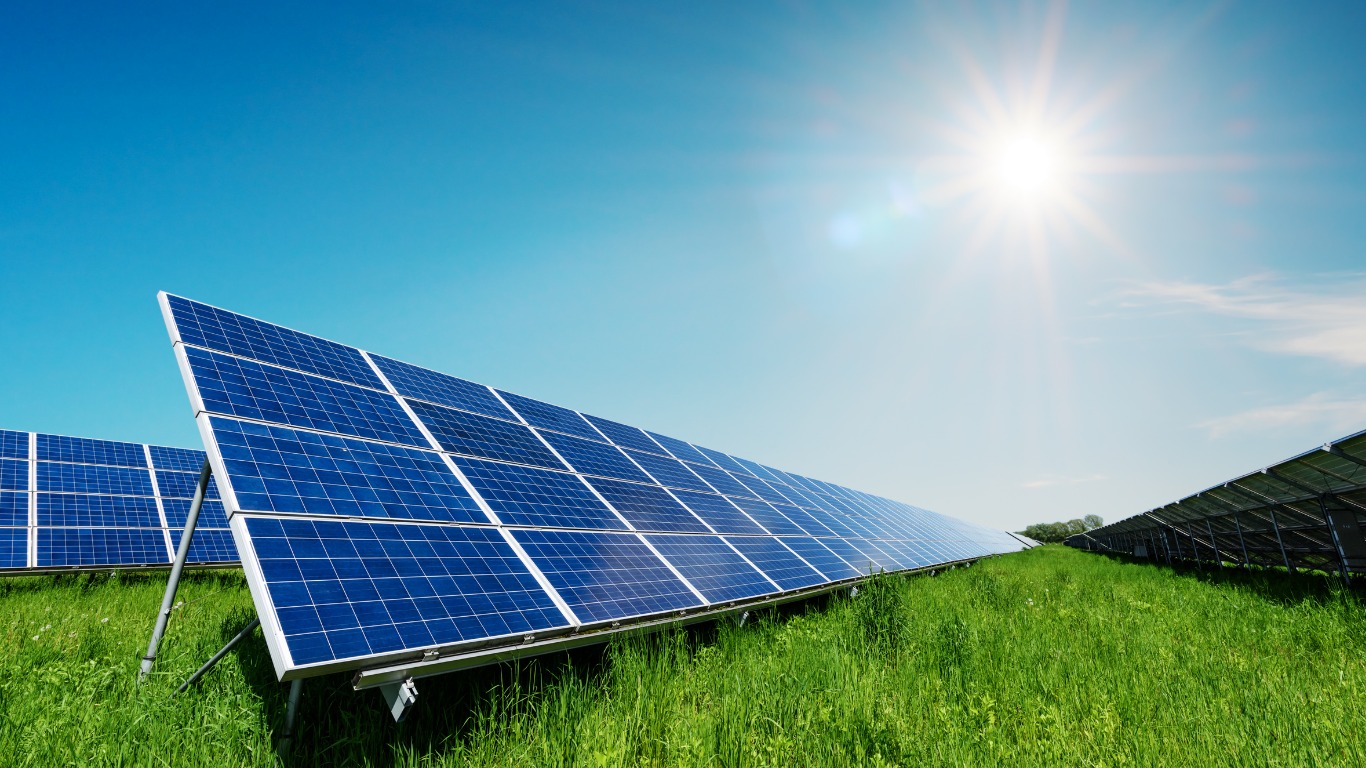
Solar panels for home cost is one of the most important topics for homeowners in Kashmir who want to reduce monthly electricity bills and secure a reliable power source. With rising electricity usage and frequent power cuts in Srinagar, Anantnag, Baramulla, Pulwama, Shopian, Kulgam, Handwara and Sopore, many families are now choosing rooftop solar power as a long-term energy solution.
Kashmir has strong potential for residential solar because homes receive useful daylight during different seasons. A properly designed rooftop solar power system can support daily home electricity needs and reduce dependence on the grid. For homeowners planning to install a system, understanding the total cost, system size, inverter type and installation process is the first step.
At Prime Tech India, homeowners can explore solar solutions for residential, commercial and hybrid energy needs across Kashmir.
The solar panels for home cost in Kashmir depends on the capacity of the system, quality of solar panels, inverter selection, battery backup, wiring, mounting structure and installation service. A small home may need a 1kW to 3kW system, while a larger home or villa may require a 5kW to 10kW solar setup.
On average, residential solar system pricing in Kashmir may fall within the following estimated range:
These prices may change depending on rooftop structure, brand selection, installation complexity and whether the customer chooses an on-grid, off-grid or hybrid solar system. To understand complete service options, you can visit the solar services page of Prime Tech India.
System size is the biggest factor in deciding the final cost. A 1kW system is suitable for limited electricity needs, while a 5kW system can support a larger home with more appliances. The larger the system, the higher the total investment, but the cost per watt usually becomes more economical.
The quality of a solar panel directly affects performance, durability and long-term savings. High-efficiency panels may cost more initially, but they can generate better output and perform well in changing weather conditions.
A solar inverter converts solar energy into usable electricity for home appliances. On-grid inverters are usually more affordable, while hybrid inverters cost more because they can work with battery backup.
Battery backup increases the total solar panels for home cost, but it is useful in areas with frequent power cuts. Locations such as Sopore, Handwara, Kulgam and Shopian often benefit from hybrid systems because backup power is important during outages.
Rooftop type, roof angle, wiring distance and mounting structure also affect the installation cost. Professional installation helps improve safety, performance and long-term system life.
The solar panels for home cost can vary from one area to another in Kashmir. In Srinagar, solar adoption is growing among modern homes, offices, hotels and commercial properties. Since service availability is better in the city, installation may be faster and more convenient.
In Anantnag and Pulwama, homeowners are increasingly choosing solar systems for daily electricity savings. Baramulla and Sopore are also seeing demand because reliable power backup is important for both homes and businesses. In Shopian, Kulgam and Handwara, larger rooftops can make residential solar installation more practical.
For completed installation examples and work quality, homeowners can explore the Prime Tech India projects page before choosing a solar installation partner.
An on-grid system is connected to the electricity grid. It is usually more affordable because it does not require batteries. It is suitable for homes that want to reduce electricity bills and use net metering where available.
An off-grid system works independently and uses batteries for backup. It is suitable for areas where grid electricity is unreliable or unavailable. The cost is higher because batteries and additional components are required.
A hybrid solar system combines grid connection with battery backup. It is a strong option for Kashmir because many areas experience power cuts. You can also learn more about hybrid technology through this resource on hybrid solar cell concepts.
Many homeowners focus only on the initial solar panels for home cost, but the real value comes from long-term savings. A good solar power system can reduce electricity bills significantly and provide returns for many years.
Most residential solar systems have a long lifespan, often around 20 to 25 years depending on product quality and maintenance. The payback period may generally range from 3 to 5 years, depending on electricity consumption, system size and usage pattern.
By choosing the right system, homeowners in Kashmir can reduce monthly expenses and improve energy independence. Solar power also supports cleaner energy use, which is important for the environment. To understand the wider importance of renewable energy, you can read more about solar power.
Government subsidy schemes can help reduce the total solar panels for home cost for eligible homeowners. One important scheme is the PM Surya Ghar Yojana, which is designed to support rooftop solar adoption for residential users.
Subsidy availability, eligibility and final benefits may depend on government guidelines, system size and approval process. Homeowners should always verify the latest details before installation.
A professional solar company can guide customers through documentation, site inspection and system planning. You can learn more about the company background on the about Prime Tech India page.
A professional solar installation process starts with a site inspection. The rooftop is checked for space, direction, shade and structure strength. After that, the electricity load is calculated to recommend the right solar system size.
The next step is system design and quotation. This includes solar panels, inverter, mounting structure, cables, protection devices and optional battery backup. Once approved, the installation team completes panel mounting, wiring, inverter connection and testing.
For on-grid systems, net metering may also be required depending on local rules. After testing, the system is activated for regular use. Proper installation ensures better safety, higher output and lower maintenance issues.
The best solar system depends on home size, electricity usage and backup requirements. A small home may need a 1kW to 3kW solar system. A medium-sized home may need a 3kW to 5kW system. Larger homes, villas and high-consumption properties may need 5kW to 10kW systems.
For areas like Srinagar, Anantnag, Baramulla, Pulwama, Shopian, Kulgam, Handwara and Sopore, hybrid solar systems are often preferred where power cuts are common. However, on-grid solar can be a cost-effective option for homes mainly focused on reducing electricity bills.
Before finalizing a system, homeowners should compare product quality, warranty, service support and installation experience. A trusted local company can help select a system that matches Kashmir’s weather and electricity needs.
Understanding solar panels for home cost is essential before investing in a residential solar system. In Kashmir, solar energy is becoming a practical solution for reducing bills, improving backup power and supporting cleaner energy use.
Whether you live in Srinagar, Anantnag, Baramulla, Pulwama, Shopian, Kulgam, Handwara or Sopore, the right solar system can offer long-term value. By choosing quality panels, a suitable inverter and professional installation, homeowners can enjoy reliable energy for years.
For expert solar consultation, installation guidance and complete solar energy solutions, visit Prime Tech India.